

Best Olive Oil for Salads vs Cooking UK — Is There Actually a Difference?
The question every serious UK home cook eventually asks is whether they need two different olive oils — one for raw use, one for cooking — or whether one good bottle can do both jobs without compromise. It's a practical question, not an academic one, and the answer is more nuanced than most olive oil guides admit.
The short version: yes, there is a real difference in how olive oil performs at different temperatures, and that difference matters if you're using a premium cold-pressed EVOO. The long version — which is the one worth understanding if you're buying a £12–£20 bottle of oil rather than a £3 supermarket blend — is that the relationship between heat and olive oil quality is specific to temperature range, and most everyday UK home cooking sits well within the zone where a good EVOO performs adequately across both uses.
This comparison covers the actual chemistry of what heat does to olive oil, the honest verdict on when one bottle is enough and when two makes sense, and the practical option that removes the question entirely: two formats from the same Caltanissetta source, one order.
What Heat Actually Does to Olive Oil
Olive oil's flavour comes from two categories of compounds: fatty acids (which provide the basic oil character and are relatively heat-stable) and volatile aromatic compounds (which provide the grassy, peppery, fruity notes characteristic of a good cold-pressed EVOO and which are thermally sensitive).
The volatile aromatics are what make cold-pressed cold-pressed olive oil UK worth buying for raw applications. They're the compounds that produce the grassy nose, the fresh mid-palate, and the peppery finish that makes a Caltanissetta EVOO identifiable and worth paying attention to. They survive in the bottle because the oil is stored away from heat and light. They survive in a salad dressing because the oil is used at room temperature.
Applied to heat, these aromatics begin to degrade noticeably above approximately 160°C. At a roasting temperature of 180–200°C — the range most UK cooks use for vegetables, chicken, or fish — most of the grassy and peppery character that distinguishes a premium cold-pressed oil from a commodity blend has evaporated or broken down. The oil still provides fat, moisture, and a base olive flavour, but the qualities that make a good EVOO worth buying for raw use are significantly diminished.
This is the chemical basis for the "two oils" argument: use a cheaper oil for cooking because you're paying for a quality that disappears in the pan, and reserve the good oil for where it's fully expressed — raw on salads, for dipping, as a finishing pour over hot food after it leaves the heat.
The counterargument — and it's a valid one — is that olive oil at cooking temperatures still contributes more flavour than a neutral oil, even with the volatile compounds partially gone. The fatty acid character of a good EVOO doesn't disappear at cooking temperatures: the richness, the base olive flavour, the way it carries the other flavours in the dish. A Caltanissetta EVOO used for roasting vegetables at 180°C produces a noticeably better result than a refined sunflower oil used at the same temperature, even though the peppery finish is gone.
The Honest Verdict: When One Oil Is Enough
The honest answer for most UK home cooks is that one good cold-pressed EVOO covers both applications adequately, and the simplicity of one bottle is worth the slight premium for cooking use.
Where one good EVOO clearly covers both: Low-heat cooking (sautéing briefly, warming sauces, soffritto at medium heat), roasting at up to 180°C, all finishing applications, all raw use. This covers the vast majority of everyday UK home cooking. A cold-pressed Caltanissetta EVOO used in all these contexts contributes meaningful flavour across each of them. The trade-off in cooking applications is real but moderate: you lose the volatile aromatics, but the oil's underlying character still makes a difference.
Where two oils genuinely make sense: Heavy, frequent high-heat frying above 200°C. If you fry chips, sear meat aggressively, or cook at very high temperatures multiple times a week, using a premium cold-pressed EVOO for that application is genuinely uneconomical — you're paying for quality that disappears entirely. A neutral high-smoke-point oil (sunflower, groundnut, refined olive oil) for high-heat frying, and a good EVOO reserved for raw and finishing use, is the rational split.
The question for any UK buyer is: which of these categories describes your actual cooking? Most people who are interested in good olive oil are not deep-frying every evening. They're roasting, sautéing, dressing, finishing — applications where a good EVOO's character, even if partially diminished by heat, still meaningfully improves the result.
The best olive oil UK for most households is therefore a good cold-pressed EVOO used across both roles — with a second cheap oil available for the rare occasions when very high heat is needed. Not two premium oils. Not a separate "cooking EVOO." One good bottle and the pragmatism to use it generously.
The Case for Two Formats From the Same Source
There is a practical solution that sidesteps the one-versus-two question entirely: two different format sizes from the same Caltanissetta producer, chosen for their respective primary uses, used from the same kitchen shelf.
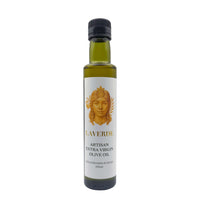
A 250ml bottle of cold-pressed Caltanissetta EVOO functions as a finishing oil: used for salads, dipping, drizzling over finished dishes, and the morning bread pour. Its smaller format means it turns over quickly at these applications, staying fresh within the 12–18 month ideal consumption window. It's the oil you reach for when the oil is the whole point.
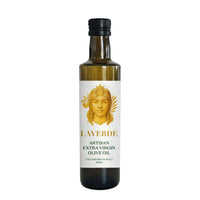
A 500ml bottle from the same source functions as the everyday kitchen oil: used for roasting, sautéing, and cooking applications where volume matters and the finishing-oil economics are less relevant. Its larger format provides the quantity needed for cooking without requiring constant restocking, and the oil's base quality still contributes meaningfully to cooked dishes even at temperatures where the volatile aromatics diminish.
Both formats come from the same Caltanissetta province, the same producer, the same harvest. The quality baseline is identical. The difference is format matched to application — and the practical result is that you always reach for the right bottle without thinking about it.
LAVERDE's Sicilian extra virgin olive oil is available in 250ml and 500ml formats individually, or combined in the Premium Pantry Bundle alongside the raw Caltanissetta honey — giving you both formats and the honey in a single order for £37.
The Dual-Format Solution: Premium Pantry Bundle
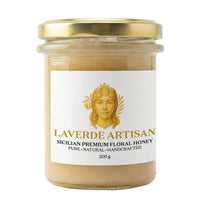
The Premium Pantry Bundle (£37) is designed around exactly this logic: a 250ml finishing oil and a 500ml everyday cooking oil from the same Caltanissetta source, plus a 200g jar of raw wildflower honey. It's the answer to the salads-vs-cooking question that removes the question: one source, two formats, one order.
The 250ml bottle is your salad oil, your dipping oil, your finishing pour. The 500ml bottle is your cooking oil, your roasting fat, your sautéing base. The honey adds the third kitchen element — a dressing sweetener, a glaze base, a breakfast pairing. All three from Caltanissetta province, all in one delivery.
|
Bundle |
Contents |
Price |
The Logic |
|
Premium Pantry Bundle |
EVOO 250ml + 500ml + Honey 200g |
£37.00 |
Best value — finishing oil + cooking oil + honey in one order |
|
Sicilian Pantry Bundle |
EVOO 500ml + Honey 200g |
£26.00 |
Single-oil approach — 500ml covers both uses, honey included |
|
Mediterranean Essentials |
EVOO 250ml + Honey 200g |
£19.00 |
Finishing-first approach — 250ml for raw use, honey included |
For buyers who want to keep it simple: the Sicilian Pantry bundle (£26, 500ml EVOO + honey) is the most popular format and the one most buyers return to as their repeat purchase. One quality oil, used across all applications, with the honey as the natural kitchen companion.


Honest Comparison · When One Oil Covers Both
Salads vs Cooking — Does Your EVOO Need to Be Different?
The honest verdict on when one good cold-pressed EVOO covers everything, and the dual-format solution that removes the question entirely.
Premium Pantry Bundle
EVOO 250ml + 500ml + Honey 200g
250ml for salads · 500ml for cooking · solved
Sicilian Pantry Bundle
EVOO 500ml + Honey 200g
One-oil approach — 500ml covers both uses
Frequently Asked Questions
What is the actual difference between olive oil for salads and olive oil for cooking?
The difference is heat. Olive oil used raw — on salads, for dipping, as a finishing drizzle — expresses its full aromatic character: grassy notes, peppery finish, the fresh complexity of cold-pressed extraction. At high cooking temperatures (above 160°C), most of those aromatic compounds degrade or evaporate. The oil still provides fat and a base olive flavour, but the qualities that distinguish a premium cold-pressed EVOO from a commodity blend are significantly reduced. For raw use, quality is immediately legible. For high-heat cooking, it matters considerably less.
Can I use extra virgin olive oil for frying without ruining it?
Yes — EVOO has a smoke point of approximately 190–210°C, which is adequate for most frying. It won't produce harmful compounds at normal frying temperatures and it won't "ruin" in a safety sense. What it will do is burn off most of the aromatic character that makes a premium cold-pressed EVOO worth buying. For occasional frying, using a good EVOO is fine. For heavy, frequent high-heat frying, a second cheaper oil preserves the premium EVOO for the applications where its quality is fully expressed.
Is it worth buying two separate olive oils — one for salads and one for cooking?
For most UK home cooks, no — one good cold-pressed EVOO covers both uses adequately and the simplicity outweighs the efficiency argument. Two oils genuinely make sense for households that fry heavily and frequently at very high temperatures. Otherwise, one quality Caltanissetta EVOO used across all applications — with greater care taken to use it raw where its character is fully expressed — is the practical answer. The Premium Pantry Bundle offers a useful middle ground: two different formats from the same source, matched to different primary uses.
At what temperature does olive oil start losing its salad-quality character?
Aromatic compounds begin degrading noticeably above approximately 160°C. At typical roasting temperatures of 180–200°C, most of the grassy and peppery character is lost. Finishing — drizzling cold-pressed EVOO over hot food after cooking — uses the oil raw and preserves its full character even if the food underneath is hot. Low-heat sautéing at under 150°C preserves a meaningful portion of the oil's aromatic profile. The practical rule: the closer to raw use, the more the quality shows.
Does using a premium cold-pressed EVOO for cooking waste money?
For low and medium-heat cooking — sautéing briefly, roasting at 180°C — a premium EVOO still adds meaningful flavour, and the waste argument is overstated. The oil's character is partially preserved and the base olive flavour contributes to the finished dish in a way a bland refined oil doesn't. For sustained high-heat frying above 200°C, the premium is harder to justify. The practical answer: use good EVOO for everything up to roasting temperatures, and keep a cheaper high-smoke-point oil only if you fry heavily and frequently.

Olive Oil
✓Usually dispatched the next working day
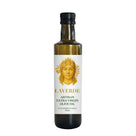
The Sicilian EVOO referenced in this article — verified specs and provenance.
Sicilian EVOO 500ml
Floral aroma, fresh herbs, green almond, delicate tomato leaf, soft white pepper finish. Medium fruitiness, clean elegant finish.
Pairs with · burrata and fresh cheeses · tomato bruschetta · grilled white fish · finishing risotto and pasta · avocado toast
Order Sicilian EVOO 500ml — £20 →★ 4.9 across 270+ Google Reviews · only UK direct importer we are aware of