

Black Lentil Pasta UK: The Italian Recipe That Proves Lentils Are Pasta's Best Friend
There is a dish in the Italian cucina povera tradition that most UK cooks have not made and most Italian nonnas make without thinking twice. Pasta e lenticchie — pasta with lentils — is exactly what it sounds like: a pot of lentils cooked until they begin to yield, pasta stirred in for the final minutes, the whole thing finished with enough good olive oil to make the sauce glossy and the kitchen smell Sicilian. It takes around forty-five minutes. It costs very little. And it consistently surprises people who have never eaten it before.
The surprise comes from the combination. Lentils and pasta seem like an unlikely pairing to British sensibilities — lentils are a legume, a side dish, a soup component; pasta is a main course in its own right. But in the Southern Italian tradition, the two have been cooked together for centuries precisely because they work: the lentils provide protein, body, and earthy depth; the pasta provides starch and texture; the olive oil brings the dish together at the end and gives it the richness that makes it feel like a complete meal rather than two half-finished things in the same pot.
With Villalba black lentils from Caltanissetta province — the variety that holds its texture through cooking and has a more pronounced earthy character than generic dried lentils — and a generous finish of cold-pressed Caltanissetta EVOO, pasta e lenticchie made in a UK kitchen becomes something worth eating on its own terms, not just as a budget Monday meal.
The Dish and Its Tradition
Pasta e lenticchie is one of the classic dishes of the Italian cucina povera — the cooking tradition of Southern Italy built on making genuinely good food from economical, shelf-stable ingredients: legumes, pasta, good oil, aromatics, patience. The dish has cousins across the same tradition: pasta e fagioli (with cannellini beans), pasta e ceci (with chickpeas), pasta e patate (with potatoes). In each case, the structure is the same — a legume or starchy vegetable, cooked until almost yielding, pasta stirred in to cook in the legume broth, and enough olive oil to finish it properly.
The Southern Italian association is strongest — Naples and Campania claim the dish most loudly — but versions exist across Italy, and the Sicilian tradition of cooking legumes with pasta is well established. The lentils most associated with Sicilian cooking are those from Caltanissetta province, where the Villalba variety has been grown across generations in the mineral-rich inland soils of Sicily's interior. In a dish where the lentil's flavour is the centrepiece, the quality of the variety matters in a way it doesn't when lentils disappear into a blended soup.
For a UK cook discovering pasta e lenticchie for the first time, Villalba black lentils are the most authentic and the most flavourful way to make it. They hold their texture through the cooking time that the pasta requires, they have the earthy depth that makes the dish worth eating, and they come from a province whose relationship with this kind of cooking goes back generations.
Why Villalba Lentils Make the Best Pasta e Lenticchie
The choice of lentil matters more in pasta e lenticchie than in most lentil preparations. The reason is texture: in a blended soup, a mushy lentil is acceptable. In a dish where lentils and pasta need to exist as distinct elements in the same bowl — where the fork should lift both together — the lentil needs to hold its shape through twenty-five to thirty minutes of simmering plus the additional cooking time as the pasta goes in.
Villalba black lentils pass this test reliably. Their firm texture — a consequence of both the variety and the specific mineral character of the Caltanissetta soils — means they remain distinct in the bowl rather than dissolving into the broth. The paste that forms around them (the starchy lentil cooking liquid that thickens as the pasta absorbs it) is desirable; the lentils themselves should not contribute to it.
The flavour also matters. Generic black lentils have a mild, generic earthy character that works as a background note. Villalba lentils have a more pronounced earthiness with a slightly nutty finish — a flavour that makes itself present in the dish rather than simply providing body. In a recipe this simple, where there are only four or five main flavour contributors, the quality of each one is immediately legible in the bowl.
The third advantage is the sourcing story. A dish of pasta e lenticchie made with Villalba lentils and finished with cold-pressed cold-pressed Sicilian olive oil from the same Caltanissetta province has a provenance coherence that makes the dish feel considered rather than assembled. Both key ingredients come from the same interior Sicilian province; both are sourced through the same direct supply chain. That coherence is not a marketing angle — it is the reason the dish tastes like it belongs together.
Pasta Shapes for Black Lentil Pasta — Which Works Best
|
Pasta Shape |
Why It Works With Black Lentils |
Texture Match |
Traditional? |
|
Ditali or ditalini |
Short tubes trap lentils inside — every forkful has both |
Perfect — lentil and pasta same bite |
Most traditional in Southern Italy |
|
Tubetti |
Similar to ditali — slightly larger tube |
Excellent — lentils nestle inside |
Classic alternative |
|
Spaghetti (broken) |
Less traditional but common in homes — broken into short lengths |
Good — strands wrap around lentils |
Less traditional but widely used |
|
Rigatoni |
Tubes trap lentils — substantial texture |
Very good — satisfying mouthfeel |
Regional variation — works well |
|
Egg pasta / maltagliati |
Irregular shapes catch the sauce and lentils |
Excellent — rustic presentation |
Traditional in some Northern versions |
|
Avoid: long spaghetti or tagliatelle whole |
Doesn't integrate with the lentils — lentils fall to the bottom |
Poor integration |
Not used in traditional recipes |
Recipe Core — Pasta e Lenticchie with Villalba Black Lentils (Serves 4)
|
Ingredient |
Quantity (serves 4) |
Role in the Dish |
Notes |
|
Villalba black lentils |
200g dry |
The base — protein and texture anchor |
No soaking required — rinse and cook |
|
Pasta (ditali or tubetti) |
300g |
The vehicle — cooked into the lentil broth |
Cook directly in lentil water — adds starch |
|
Cold-pressed EVOO |
4 tbsp + finishing drizzle |
The soffritto base and the finishing pour |
Use generously — this is the flavour carrier |
|
Garlic |
3–4 cloves |
Aromatic base |
Gently crushed, not minced — remove or keep |
|
Ripe tomatoes or passata |
200g |
Acidity and colour |
Fresh or tinned — adds brightness |
|
Celery |
2 sticks |
Classic Italian soffritto element |
Finely diced — slow-cooked until soft |
|
Salt and black pepper |
To taste |
Seasoning |
Season the cooking water generously |
|
Fresh rosemary or thyme |
1–2 sprigs |
Optional aromatic — classic pairing |
Add with the lentils, remove before serving |
|
Dried chilli flakes |
Pinch (optional) |
Background heat — traditional in Southern versions |
Optional but recommended |
How to Make It: The Step-by-Step
The recipe produces a dish that the Italians describe as né brodosa né asciutta — neither soupy nor dry. It should have the consistency of a thick stew: enough liquid that it moves when you tilt the bowl, but not so much that the pasta is swimming. The pasta absorbs liquid as it cooks and continues to absorb after the heat is off, so err slightly on the wetter side and adjust at the table.
Step 1 — The Soffritto
Warm three tablespoons of cold-pressed EVOO in a wide, heavy-bottomed pan over medium-low heat. Add two finely diced celery sticks, three or four lightly crushed garlic cloves (whole — remove later if preferred), and a pinch of dried chilli flakes if using. Cook gently for ten to twelve minutes until the celery is completely soft and sweet. This is the flavour foundation of the dish; do not rush it and do not let the garlic colour.
Step 2 — The Lentils
Rinse 200g of Villalba black lentils and add them to the pan with the soffritto. Add 200g of ripe tomatoes (chopped) or passata, one or two sprigs of fresh rosemary or thyme, and enough water or light vegetable stock to cover by about five centimetres. Season generously with salt. Bring to a gentle simmer and cook for twenty to twenty-five minutes until the lentils are tender but still holding their shape.
Step 3 — The Pasta
Check the liquid level — you want enough to cook the pasta in. If it has reduced significantly, add more hot water. Add 300g of ditali, ditalini, or tubetti directly to the lentil pot and stir well. Cook according to the pasta packet instructions (usually eight to ten minutes for short pasta), stirring regularly to prevent sticking. The pasta will absorb the starchy lentil broth as it cooks — this thickening is correct and desirable. If it becomes too thick, add a splash of hot water.
Step 4 — The Finish
Remove the herb sprigs and garlic cloves (or leave the garlic in — a personal preference). Taste and adjust the seasoning. Remove from the heat and add a very generous drizzle of cold-pressed EVOO — at least one tablespoon per person, poured over the surface rather than stirred in. The oil should be visible on the surface and should melt slightly into the top of the dish. A few twists of black pepper. Serve immediately in warm bowls with bread alongside to lift the broth.
Variations: A handful of Parmesan or Pecorino Romano shaved over the top is traditional in many versions (omit for vegan). A sprig of fresh parsley added with the EVOO finish adds freshness. A small splash of good red wine vinegar stirred through at the end adds brightness if the dish feels flat.
The Lentil Pasta Bundle: Two Ingredients, One Province
The two non-optional ingredients in pasta e lenticchie — beyond the pasta itself, which you likely already have — are the lentils and the finishing EVOO. Both come from Caltanissetta province in LAVERDE's range. The Villalba black lentils (£13 — 500g, four servings of pasta e lenticchie) and the cold-pressed EVOO (in the Mediterranean Essentials bundle at £19 with the Caltanissetta honey alongside) give you both essentials from a single order.
|
What You Need |
LAVERDE Product |
Price |
Use in the Recipe |
|
Villalba black lentils 500g |
Lentils 500g — Caltanissetta |
£13.00 |
200g for 4 servings — 2 full batches per bag |
|
Cold-pressed EVOO |
EVOO 250ml (in Med Essentials + Honey) |
£19.00 |
Soffritto base (3 tbsp) + finishing drizzle (4 tbsp total) |
|
Full lentil + EVOO bundle |
Lentils + Mediterranean Essentials |
£32.00 |
Two complete pasta e lenticchie batches + EVOO for everyday use |
For regular pasta e lenticchie cooks, the Sicilian Pantry bundle (£26 — EVOO 500ml and honey 200g) gives a larger EVOO format alongside the honey — the 500ml is the correct format for a household using EVOO as both a cooking fat and a finishing oil across multiple dishes per week. Add the lentils (£13) for a £39 combination that covers the dish and the broader Sicilian olive oil UK kitchen for a month.

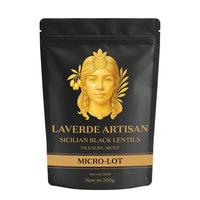
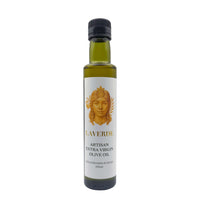
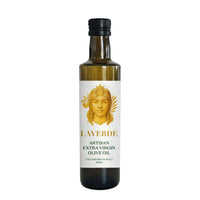
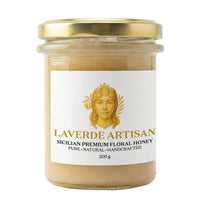
Italian Cucina Povera · 45 Minutes · Serves 4
Pasta e Lenticchie — Four Steps, Two Caltanissetta Ingredients, One Italian Classic
Villalba black lentils hold their shape. Ditali or tubetti trap them inside each bite. Cold-pressed EVOO finishes the whole thing. The rest is just time.
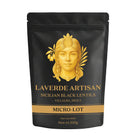
Villalba Black Lentils
500g · Caltanissetta
Two full batches of pasta e lenticchie
Mediterranean Essentials
EVOO 250ml + Honey 200g
Add to lentils — the £32 complete set
Frequently Asked Questions
What is pasta e lenticchie and where does it come from?
Pasta e lenticchie is a traditional Italian dish — pasta cooked with lentils in a single pot, finished with good olive oil. It is most closely associated with Southern Italy and Campania, though versions exist across the country with regional variations in pasta shape and spicing. The dish belongs to the Italian cucina povera tradition: simple, economical cooking that produces results far better than the ingredient list suggests. Lentils provide substance and depth; pasta provides starch and texture; olive oil brings it together at the end.
What pasta shape works best with black lentils?
Ditali or ditalini are the most traditional and most effective: short tubes that trap individual lentils inside, so every forkful contains both pasta and lentil in the same bite. Tubetti is a close alternative. The key principle is that the pasta shape should be small enough to integrate with the lentils — long whole spaghetti or tagliatelle doesn't work because the lentils fall to the bottom while the pasta sits on top. Short, hollow pasta is the standard; broken spaghetti is the home-cook alternative if short pasta isn't available.
Do you need to soak black lentils before making pasta e lenticchie?
No — Villalba black lentils do not require soaking, which makes them particularly well suited to this preparation. They cook in approximately 25–30 minutes, which is the right window for the pasta to be added in the final stage. The pasta goes directly into the lentil cooking liquid, absorbing the starchy broth as it cooks and creating the slightly thick consistency that is characteristic of a well-made pasta e lenticchie.
Can you make pasta e lenticchie ahead of time?
The lentil base — soffritto, lentils, tomato, aromatics — can be made ahead and stored for 3–4 days in the refrigerator. Cook the pasta fresh when ready to serve: pasta does not store well in the lentil broth as it continues absorbing liquid and goes soft. Reheat the lentil base with a splash of water, add the pasta, and finish with cold-pressed EVOO. The two-stage approach (lentil base ahead, pasta cooked fresh) is the most practical method for weeknight cooking.
Is pasta e lenticchie a Sicilian dish?
Pasta e lenticchie exists across Italy, with the strongest tradition in Campania and Southern Italy. In Sicily, lentil cooking is well established — Caltanissetta province is home to the Villalba black lentil, grown and eaten in the region for generations. While the named dish is most often associated with mainland Southern Italy, the combination of legumes with pasta is deeply embedded in Sicilian cucina povera, and Villalba black lentils make the most authentic Sicilian version available in a UK kitchen.

Black Lentils
✓Usually dispatched the next working day
The Villalba black lentils referenced in this article — verified specs and provenance.
Villalba Black Lentils 500g
Roasted nuts, earthy Mediterranean herbs, mineral finish. Firm skin, creamy interior — holds shape after cooking.
Pairs with · Sicilian EVOO finish · slow-braised lamb or pork · grain bowls with roasted vegetables · pecorino or feta warm salads
Order Villalba Lentils — £13 →★ 4.9 across 270+ Google Reviews · only UK direct importer we are aware of