

Sicilian Coffee UK vs Italian Mainland Coffee: What's Actually Different?
The comparison between Sicilian and mainland Italian coffee is a question that gets asked in a specific way: people who've had coffee in Sicily and found it notably different from coffee in Milan or Rome want to understand what changed. Was it the beans? The water? The machine? The answer is more interesting and more cultural than any of those: the beans are almost certainly the same. The difference is everything around them.
Neither Sicilian nor northern Italian coffee is grown in Italy. All of Italian coffee culture — from a Palermo café bar at 9am to a Milanese espresso counter at 7am — is built on imported beans, primarily from Latin America and East Africa. What differs between Sicily and the mainland is not what's in the cup before it's brewed. It's the pace, the setting, the accompaniments, the time of day, and the social context in which the coffee is consumed.
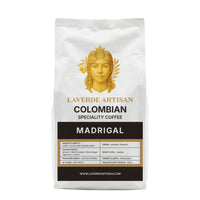
For UK buyers curious about the Sicilian coffee experience — or trying to understand whether it's something they can recreate at home — this comparison is the honest starting point. The beans matter (which is why LAVERDE's Madrigal Colombian specialty coffee is in the range: for its quality, not its geography). But the ritual matters more. And the Sicilian ritual is worth understanding on its own terms.
What Sicilian Coffee Culture Actually Is
Sicilian coffee culture is not defined by where its beans come from. It's defined by how the coffee is consumed — and that consumption pattern is genuinely distinct from the northern Italian model that most UK buyers encounter through Italian brands and café chains.
The most famous expression of Sicilian coffee culture is the caffè con granita: a glass of coffee granita (partially frozen, intensely flavoured, slushy) served alongside a hot or room-temperature espresso and a brioche col tuppo for dipping. This is a summer breakfast ritual specific to Sicily — you won't find it on café menus in Bologna or Turin. It's a regional invention built around Sicily's relationship with its own climate: a way of making coffee refreshing rather than just stimulating in summer heat.
Beyond the granita, Sicilian coffee culture is characterised by a slower pace at the café bar. Where northern Italian coffee culture prizes efficiency — espresso consumed standing at the counter in two to three minutes before the working day begins — Sicilian café mornings accommodate more time. The coffee is part of a breakfast that might include pastries with almond filling, granita di mandorla, and conversation. The ritual has more components and more patience built into it.
At home, both Sicilian and mainland Italian coffee culture converge on the same instrument: the moka pot. Invented in northern Italy in 1933, the moka is the standard domestic coffee maker across all of Italy without meaningful regional variation. A Sicilian household and a Milanese one both have one on the hob every morning.
The flavour differences that exist — and they're real — come from roast profile preferences and accompaniment traditions rather than bean origin. Southern Italian and Sicilian roasters have historically favoured darker roasts with more body, which reads as stronger and sometimes as more bitter in the cup. The sweetness that people associate with Sicilian coffee comes from what's alongside it: honey on the bread, almond preparations, the granita. The coffee itself isn't sweeter — the morning is.
The Honest Comparison: Where the Differences Are Real
There are three differences between Sicilian and northern Italian coffee culture that matter practically for a UK buyer trying to understand which experience appeals to them.
The breakfast ritual itself. This is the biggest difference. Sicilian coffee culture is anchored in an elaborate, unhurried morning: granita, pastry, honey, slow conversation. Northern Italian coffee culture is fast by design — the espresso at the bar counter is part of a transit moment, not a destination. If you're drawn to the idea of a Mediterranean morning as a ritual, the Sicilian version is the one that has the architecture for it.
The sweetness dimension. Sicilian café culture integrates sweetness more fully into the coffee experience. Raw honey on bread alongside espresso, almond syrup in some preparations, the granita as the sweet and cold counterpart to the hot coffee — these create a morning flavour profile that leans sweeter than the sharp, unsweetened espresso of a northern Italian bar. Neither is better. They're different orientations: one towards contrast, one towards efficiency.
The accompaniment logic. Northern Italian espresso is typically consumed alone or with a small sweet pastry — a cornetto at most. The Sicilian morning is built around accompaniments that have genuine flavour relationships with the coffee: honey whose floral character complements the coffee's aromatic compounds, almond preparations that echo the darker roast's natural nuttiness, EVOO on bread that provides the fat and richness that the coffee's intensity calls for. It's a more composed morning, and the composition is the point.
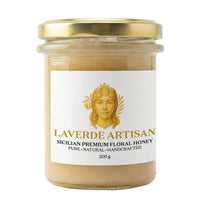
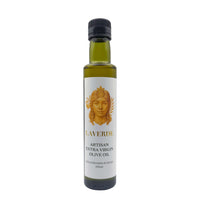
For UK buyers who've experienced the Sicilian morning in Sicily and want to recreate it at home: the ritual is the replicable thing, not the geography. The moka pot is the same instrument. The coffee beans are imported to Sicily just as they're imported to the UK. What makes the Sicilian morning distinctive is the combination — coffee alongside cold-pressed EVOO and raw honey from Caltanissetta province, eaten slowly, before the day begins. That combination is entirely reproducible in a UK kitchen.
Which Coffee Culture Suits UK Buyers?
The honest answer is that the two models suit different mornings and different people — and most UK buyers who invest in good ingredients end up borrowing from both.
The northern Italian model makes sense on weekday mornings: moka pot on the hob, coffee brewed in five minutes, consumed at the kitchen table before the commute. It's the model that makes specialty coffee a daily habit rather than a weekend event. The quality of the coffee matters — a good moka with mediocre beans produces a mediocre result — but the ritual is low-maintenance.
The Sicilian model makes sense on weekends, on slow mornings, on days when the ritual is the point. The same moka pot. The same Colombian specialty coffee. But now there's bread and good oil and honey at the table, and there's time to eat and drink in sequence rather than gulping the coffee first and dealing with breakfast later.
LAVERDE's Madrigal — hand-picked from ASOCAFE TATAMÁ in Risaralda, Colombia, and chosen for its quality and its suitability for both moka and slower morning applications — works in both contexts. Its fruit-forward, complex character suits the unhurried Sicilian-style morning particularly well: a coffee you actually want to slow down and taste rather than just consume.
The Caltanissetta EVOO and raw honey complete the picture. Both are available in formats sized for daily kitchen use rather than occasional pours, and both are from the same province that anchors the Sicilian pantry range. For UK buyers building the full Mediterranean morning — coffee, EVOO, honey — sourcing all three from a single trusted supplier is the most practical approach available.
Build the Sicilian Morning Set
The Sicilian morning ritual in a UK kitchen requires three things: a specialty coffee worth brewing slowly, a cold-pressed EVOO intense enough to carry warm bread, and a raw honey with enough flavour complexity to bridge the coffee's bitterness and the oil's peppery richness.
LAVERDE's Mediterranean Essentials bundle (£19 — EVOO 250ml and raw wildflower honey 200g from Caltanissetta) covers the EVOO and honey pairing. Madrigal (£12, 250g whole bean) covers the coffee. Order both and the full Sicilian morning is in place for approximately a month of daily ritual — or considerably longer if the full morning set is a weekend practice rather than a daily one.
|
Component |
Product |
Price |
Lasts |
|
The Coffee |
Madrigal — Colombian specialty, ASOCAFE TATAMA |
£12.00 |
~25–30 moka pots per 250g |
|
The EVOO + Honey |
Mediterranean Essentials (250ml + 200g) |
£19.00 |
~50 morning pours · Save £2 |
|
Full Kitchen Kit |
Sicilian Pantry Bundle (500ml EVOO + 200g Honey) |
£26.00 |
~100 pours · Save £3 |
Both bundle formats arrive with next-day UK delivery — the Sicilian morning set is also a considered gift for anyone who takes breakfast seriously. The Mediterranean Essentials format is sized for a first exploration; the Sicilian Pantry bundle is the format most buyers return to as the daily kitchen standard.

Cultural Comparison · Ritual vs Speed
Sicilian Morning vs Northern Italian — Same Beans, Different Everything Else
Neither tradition grows coffee in Italy. The difference is entirely the ritual — pace, accompaniments, honey, and the decision to slow down. Here's how they compare.
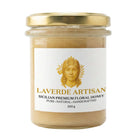
Mediterranean Essentials
EVOO 250ml + Honey 200g
The Sicilian morning pairing — coffee's best companion
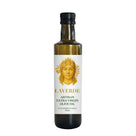
Sicilian Pantry Bundle
EVOO 500ml + Honey 200g
Daily ritual kit — mornings and beyond
Frequently Asked Questions
Is Sicilian coffee actually a different bean from Italian mainland coffee?
No — and this is the most important thing to understand about Italian coffee culture. Neither Sicilian nor mainland Italian coffee is grown in Italy. All of Italian coffee tradition, from Palermo to Milan, is built on imported beans — primarily from Latin America and East Africa. The difference between Sicilian and northern Italian coffee is entirely cultural: how it's prepared, at what pace, with what accompaniments, and in what social context. The beans used in a Palermo café bar and a Milanese one typically come from the same global supply chains.
Why do some people describe Sicilian espresso as stronger or sweeter than northern Italian?
The perception comes from two things: roast profile preferences and accompaniment traditions. Southern Italian and Sicilian roasters have historically favoured darker roasts with more body, which reads as stronger in the cup. The sweetness is cultural rather than intrinsic — Sicilian mornings pair espresso with honey, almond preparations, and granita, so the overall morning flavour experience leans sweeter even if the coffee itself is not. Northern Italian espresso tends to be extracted for sharpness and consumed without sweetening at the bar.
What is the best way to recreate the Sicilian coffee ritual at home in the UK?
Three elements: a moka pot, a specialty-grade coffee with enough body for the ritual, and the Sicilian breakfast accompaniments — raw honey and cold-pressed EVOO on warm bread. The ritual is the pace as much as the ingredients: 20 unhurried minutes rather than a commuter cup. LAVERDE's Madrigal Colombian specialty coffee, curated for its quality and moka suitability, works well alongside the Caltanissetta EVOO and honey for exactly this application.
Does the type of honey you pair with coffee matter for the Sicilian morning?
Significantly. Refined supermarket honey adds sweetness but no flavour complexity. A raw polyfloral honey like LAVERDE's Caltanissetta wildflower brings floral character that interacts with a specialty coffee's aromatic compounds — creating a complementary rather than a merely sweet pairing. The honey's flavour is present in the morning experience, not just its sweetness, and that distinction is what gives the Sicilian breakfast ritual its layered character.
How does the Sicilian coffee ritual compare to a standard British breakfast from a flavour perspective?
The Sicilian morning delivers more layered flavour complexity from fewer ingredients. Where a standard UK breakfast often combines multiple foods without strong flavour relationships between them, the Mediterranean ritual — coffee, EVOO on bread, raw honey — is built around contrast and complement: bitter against sweet, peppery against floral, intensity against richness. The result tastes more considered without being more complicated to prepare. Most people who try it once don't go back to the same breakfast in quite the same way.

Colombian Coffee
✓Usually dispatched the next working day
The specialty coffee referenced in this article — verified origin and cupping notes.
Madrigal Colombian 250g
Almonds, milk chocolate, brown sugar, delicate lemon acidity. Silky body, refined and balanced finish.
Brews best as · espresso · V60 pour-over · AeroPress · flat white · cortado · French press
Works best in your bean-to-cup machine · whole bean, freshly ground
DeLonghi Magnifica / Eletta · medium grind (dial 3–4) · ~90°C
Smeg bean-to-cup (BCC02 / BCC13) · medium grind · 88–94°C selectable
Jura (E6 / E8 / Z10) · medium-fine grind · temperature adjustable
Sage Barista / Breville · fine espresso grind · 93°C (PID adjustable)
★ 4.9 across 270+ Google Reviews · only UK direct importer we are aware of