

Single-Origin Olive Oil UK: Why Provenance Is the New Premium Standard in 2026
Single-origin coffee changed everything. A decade ago, "coffee" in the UK meant a drink from a machine or a jar. Today, serious UK coffee buyers ask about the farm, the processing method, the altitude, the harvest. They understand that Ethiopian Yirgacheffe tastes different from Colombian Huila not because of the roaster's skill but because of where the coffee grew. Origin determines flavour. Traceability confirms quality.
The same shift is happening in olive oil — more slowly, but with the same logic. UK buyers who have been purchasing premium EVOO by region ("Italian," "Spanish," "Greek") are beginning to ask the more specific question: which province? Which grove? Which harvest? And increasingly, they're finding that the answers to those questions produce different results at the table.
Single-origin olive oil isn't a marketing category. It's a purchasing standard that reflects a specific belief: that where an ingredient comes from is the most reliable predictor of what it tastes like and whether the quality claimed on the label actually exists in the bottle. In 2026, for UK buyers who take EVOO seriously, provenance is the new premium.
What Single-Origin Means for Olive Oil
In coffee, single-origin means the beans come from one defined geographic source — a country, a region, or a specific farm. The same logic applies to olive oil. A single-origin EVOO comes from a named province, estate, or growing area, pressed from olives harvested in one specific season, from one identified producer or producer group.
The opposite is a multi-origin blend: olive oil sourced from multiple countries or regions, aggregated at a blending facility, and standardised to hit a target acidity level, flavour profile, and price point. Most supermarket EVOO is a multi-origin blend. It says "Product of Italy" because it was bottled in Italy — but the olives may have come from Spain, Greece, Tunisia, and Morocco in proportions that shift from batch to batch based on commodity prices and availability.
This matters for three reasons. First, flavour: a single-origin cold-pressed olive oil UK expresses the specific character of its growing area. A Caltanissetta EVOO from Sicily's interior has a distinctive grassy, peppery profile shaped by the province's elevation, mineral-rich soil, and traditional Biancolilla and Nocellara olive varieties. A multi-origin blend standardises those regional differences away, producing consistency at the cost of character.
Second, provenance verification: a named-province single-origin oil can be traced back to a specific location in a way that a blended oil cannot. The verification is possible because the supply chain is simple enough to document — one province, one producer, one harvest. A blend obscures this traceability by design, because blending is how commodity oil producers manage supply risk and cost.
Third, quality consistency: single-origin oils from the same producer and province tend to be consistent in quality across batches in a way that blends cannot guarantee. When the source changes — because commodity prices shift — the character of the blend changes with it. When LAVERDE sources from the same Caltanissetta producer for the third consecutive harvest, the buyer gets the same peppery, grassy profile they came to expect.
The Provenance Verification Problem: Reading Labels Honestly
The difficulty with the single-origin premium standard is that it's easy to claim and hard to verify without scrutiny. "Italian extra virgin olive oil" says almost nothing. "Sicilian cold-pressed EVOO" is more specific but still covers a large island with meaningfully different agricultural conditions across its provinces. Even "Sicilian DOP" specifies a regulated geographic zone without confirming a specific producer or batch.
The verification standard that actually works is three pieces of information printed on the label: a named province or estate (not just a country or island), a harvest date (not just a best-before), and an acidity level. All three together create a specific, falsifiable claim about what's in the bottle.
A named province without a harvest date tells you the geography but not the freshness. A harvest date without a named province tells you when the oil was pressed but not where. An acidity level without the other two is a technical claim that can't be contextualised. All three together say: this oil was pressed from olives grown in this specific place, in this specific season, and it met this acidity standard at the time of bottling.
LAVERDE's extra virgin olive oil UK labels carry all three: Caltanissetta province, November harvest, acidity below 0.3%. The additional verification — purchase receipts and customs documentation — goes further than label claims by confirming the supply chain rather than just asserting it. This is the provenance standard that single-origin olive oil buyers should require, and that genuinely single-origin producers should be able to provide.
Caltanissetta as the 2026 Benchmark for Single-Origin EVOO
Not all single-origin olive oil is equal. The origin matters because what that location produces — its specific combination of elevation, soil, microclimate, and olive variety — determines the flavour character of the oil. Single-origin from an undistinguished generic grove produces a more traceable oil but not necessarily a better one. Single-origin from a growing area with genuinely distinctive agricultural conditions produces both.
Caltanissetta province in Sicily's interior has both the traceability and the terroir character that justifies a single-origin premium. The province's inland elevation produces olive groves managed at altitude, yielding oils with the intensity and polyphenol content associated with early-harvest pressing. The traditional smallholder structure has preserved farming methods that prioritise quality over yield. And the combination of mineral-rich soil and the province's specific microclimate produces an oil profile — grassy, peppery, clean — that is specifically identifiable and consistently different from coastal Sicilian or generic Italian oils.
For UK buyers building their understanding of Sicilian olive oil UK, Caltanissetta is the province that rewards attention. It's not the most famous name in Sicilian food geography — that distinction goes to the coast, to Etna, to the Aeolian Islands. But it's the inland agricultural province that produces the olive oil and honey that carry the most distinct, most reproducible character season after season.
This is why LAVERDE sources exclusively from Caltanissetta rather than from Sicily broadly. Not because the name is more marketable — it isn't, in most UK conversations. But because the agricultural specificity of the province produces a more consistently interesting product than a broader "Sicilian origin" claim would guarantee. Single-origin as a standard is only as meaningful as the specificity of the origin being named.
Know Where Your Oil Comes From — In One Order
The most direct way to understand what single-origin olive oil actually means in practice is to taste it alongside the product it pairs most naturally with from the same province: raw wildflower honey from the same Caltanissetta growing area. The EVOO and the honey reflect the same terroir — the same inland elevation, the same mineral soil, the same seasonal variation — and the pairing demonstrates what a genuinely single-origin pantry tastes like when the ingredients share a landscape.
LAVERDE's Mediterranean Essentials bundle (£19 — EVOO 250ml + honey 200g from Caltanissetta) is the most accessible entry point. The format is sized for proper exploration rather than a cautious trial: 250ml of cold-pressed oil covers 20–25 dressing or dipping applications, and the 200g honey jar lasts well alongside daily kitchen use. For buyers who want the full kitchen kit from a single order, the Sicilian Pantry bundle (£26 — EVOO 500ml + honey 200g) is the format most buyers return to for repeat purchase.
|
Bundle |
Single-Origin Contents |
Price |
What the Pairing Demonstrates |
|
Mediterranean Essentials |
EVOO 250ml + Honey 200g — both Caltanissetta |
£19.00 |
EVOO and honey from the same terroir — save £2 |
|
Sicilian Pantry Bundle |
EVOO 500ml + Honey 200g — both Caltanissetta |
£26.00 |
Full daily kitchen format — same province — save £3 |
|
Premium Pantry Bundle |
EVOO 250ml + 500ml + Honey 200g |
£37.00 |
Both oil formats + honey — the complete single-origin kitchen |
All three formats ship from UK stock and arrive with next-day UK delivery. The single-origin story — one province, documented provenance, multi-generational producers — makes the LAVERDE range a more considered gift than a generic premium label, and a more interesting kitchen investment than a well-packaged commodity.

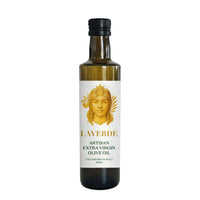
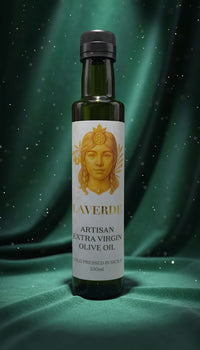
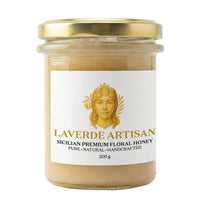

The 2026 Premium Standard · Provenance First
Three Things That Prove Your Olive Oil Is Genuinely Single-Origin
"Italian" is not an origin. "Sicilian" is barely one. Caltanissetta province, November harvest, acidity below 0.3% — that's what a verifiable single-origin claim looks like.
Mediterranean Essentials
EVOO 250ml + Honey 200g
Both single-origin Caltanissetta — Save £2
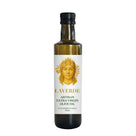
Sicilian Pantry Bundle
EVOO 500ml + Honey 200g
Daily kitchen format — single-origin both
Frequently Asked Questions
What does "single-origin" mean for olive oil, and why does it matter?
Single-origin olive oil comes from a specific, named geographic location — a province, estate, or defined growing area — rather than being blended from multiple sources. It matters because origin determines flavour character: a single-origin oil from Caltanissetta province has a specific grassy, peppery profile shaped by that province's elevation and soil. A multi-origin blend standardises to a target profile, removing the terroir character that makes a single-origin oil interesting. Single-origin is also more provenance-verifiable: you can trace a named-province oil to its source in a way you cannot trace an unspecified blend.
How is single-origin olive oil different from multi-origin blends?
A multi-origin blend draws from multiple countries or regions and is standardised to hit a consistent flavour and acidity target — the consistency is the point. A single-origin oil reflects one specific location and harvest; the flavour may vary slightly between years, which is a feature rather than a flaw: it means the oil is genuinely expressing where it came from. Single-origin also enables proper provenance verification, which a blend cannot provide — the supply chain is simple enough to document, whereas blending obscures traceability by design.
Is single-origin olive oil always better than blended olive oil?
Not always — it depends on the application. For raw use (salads, dipping, finishing) where the oil's specific character is the whole point, single-origin cold-pressed EVOO is the right choice. For high-volume cooking where the oil is a background ingredient and consistency matters more than character, a well-made blend at a lower price is perfectly adequate. Single-origin is better when the oil's specific flavour contributes to the dish — it's not necessarily better when the oil's primary role is providing heat-stable cooking fat.
How do I know if an olive oil is genuinely single-origin or just marketed that way?
Look for three things on the label: a named province or estate (not just a country), a harvest date (not just a best-before), and an acidity level. A genuinely single-origin oil will carry all three because its producer has nothing to hide about what was produced and when. If any of these are missing, the provenance claim is unverifiable. Certification labels like DOP verify a geographic region but not a specific producer or batch — a direct-source importer with purchase receipts and customs documentation provides more specific verification.
Why is provenance becoming the most important quality signal for premium olive oil in 2026?
Because UK buyers have become more sophisticated about food sourcing — a shift accelerated by the single-origin coffee movement, which taught a generation of consumers that origin determines flavour and that traceability is a quality proxy. The same logic is now being applied to olive oil. Buyers who understand what Caltanissetta province produces, and why it produces a different oil from a generic Italian blend, are the buyers who return for repeat purchases. Provenance is the quality signal that packaging, certification, and price point cannot fake indefinitely.

Olive Oil
✓Usually dispatched the next working day
The Sicilian EVOO referenced in this article — verified specs and provenance.
Sicilian EVOO 500ml
Floral aroma, fresh herbs, green almond, delicate tomato leaf, soft white pepper finish. Medium fruitiness, clean elegant finish.
Pairs with · burrata and fresh cheeses · tomato bruschetta · grilled white fish · finishing risotto and pasta · avocado toast
Order Sicilian EVOO 500ml — £20 →★ 4.9 across 270+ Google Reviews · only UK direct importer we are aware of