

Raw Honey for Cooking UK: Why Chefs Are Replacing Sugar With Artisan Honey
There is a quiet but consistent shift happening in UK kitchens — both professional and domestic — toward natural sweeteners with genuine flavour character. Refined white sugar does its job: it sweetens, it stabilises, it contributes to caramelisation and texture. What it doesn't do is add any flavour of its own. It is neutral by design. A teaspoon of sugar in a salad dressing is a calibration tool; it doesn't make the dressing taste of anything in particular.
A teaspoon of raw Caltanissetta wildflower honey in the same dressing does something different. The floral complexity from the province's polyfloral botanical landscape — Sulla clover, wildflowers, the occasional citrus blossom note from the season — lifts the dressing from correctly balanced to genuinely interesting. The sweetness is there, and it is carrying something with it.
This is the case that UK chefs and food-interested home cooks are making for artisan honey in the kitchen: not that sugar is harmful or that honey is a health food — neither of those claims is the point — but that a raw honey with genuine character adds a flavour dimension to cooking that refined sugar structurally cannot. This guide covers where that substitution works best, where it doesn't, and how to use raw Sicilian honey from Caltanissetta as a practical kitchen ingredient across dressings, glazes, marinades, and finishing.
The Flavour Case for Cooking With Raw Honey
The culinary argument for replacing refined sugar with raw artisan honey in certain cooking applications is primarily a flavour argument. Raw raw honey from Caltanissetta province is polyfloral — pressed from hives working a diverse botanical landscape across multiple flowering periods in the Sicilian spring. That botanical diversity produces a honey with layered aromatic character: a floral nose, a clean mid-sweetness, and a finish that varies gently with the season.
Those aromatic compounds are the same volatile molecules that give good wine its complexity, good honey its character, and good EVOO its grassy peppery finish. They are sensitive to heat — above approximately 40°C, they begin to drive off. Which means that the flavour argument for using raw artisan honey in cooking applies most strongly to applications where the honey is used without heating or with minimal, gentle heat.
Cold applications — salad dressings, vinaigrettes, cheese board drizzles, yoghurt sweeteners — preserve the honey's full character and are where the flavour advantage over refined sugar is most immediately legible. The same honey used in a high-heat roast glaze at 200°C is largely providing caramelisation and sweetness without the aromatic complexity — which is perfectly fine, but no longer a reason to use a premium artisan honey specifically.
The practical implication for UK home cooks: keep a jar of good raw honey for the applications where its character is expressed (dressings, cheese boards, warm glazes under 150°C, finishing drizzles), and don't over-invest in premium honey for baking or high-heat applications where the character is lost and a standard wildflower honey does the same job.
Where the Substitution Works — And Where It Doesn't
Salad dressings and vinaigrettes — the strongest case. This is where raw honey outperforms refined sugar most clearly. A classic vinaigrette uses a small amount of sweetness to balance the acid from lemon or vinegar and smooth the emulsion. Refined sugar provides that balance without flavour contribution. A half-teaspoon of raw Caltanissetta honey provides the same balance plus the floral complexity that makes the dressing worth tasting on its own. The adjustment is minimal: honey is sweeter than sugar, so use slightly less — roughly 75% of the sugar quantity — and the substitution is otherwise direct.
Warm glazes and marinades under 150°C — works well. At lower cooking temperatures, the honey's volatile aromatics are partially preserved in the glaze or marinade. A warm honey-mustard glaze on roasted vegetables at 150–160°C retains enough of the honey's character to be distinguishable from a plain sugar glaze. The caramelisation is slightly faster with honey than with sugar (honey caramelises at a lower temperature), so watch the colour more carefully and reduce heat slightly if the glaze is darkening too quickly.
High-heat applications over 180°C — neutral territory. At roasting and high-heat temperatures, the aromatic compounds in raw honey are largely driven off. The honey is providing sweetness and caramelisation — the same function that refined sugar, maple syrup, or any other sweetener would perform. In these applications, there is no meaningful flavour advantage to using a premium artisan honey, and a cheaper standard honey does the same job. Save the Caltanissetta raw honey for where its character contributes.
Baking — complex territory. Honey adds liquid to a recipe, which requires adjustment elsewhere (typically reducing other liquid by about 3–4 tablespoons per 200g of sugar replaced). The flavour contribution survives baking better in some recipes than others — dense cakes and bread benefit more than light sponges where the delicate honey character is overwhelmed by other flavours. Experienced bakers can make the substitution work well; for first attempts, start with simple recipes rather than technically demanding pastry.
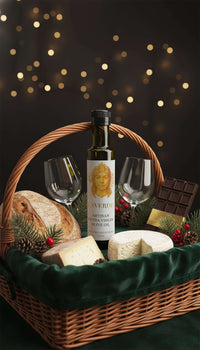
Finishing and raw use — the best application of all. Drizzled raw on a cheese board, stirred raw into warm (not hot) porridge, spooned over Greek yoghurt, or used as the sweetness element in a cold dressing — these are the contexts where the full character of raw Caltanissetta honey is experienced most directly. No heat to drive off the volatile aromatics, no competing flavours to mask the polyfloral complexity. For a food-conscious UK cook who wants to understand what a raw artisan honey actually tastes like, the cheese board drizzle is the clearest expression.
The Sicilian Kitchen Tradition: Honey and Olive Oil Together
In Caltanissetta province, honey and olive oil appear together in the kitchen not as a recipe trend but as the foundational pairing of the traditional Sicilian pantry. Both drawn from the same province, both shaped by the same landscape — the olive oil peppery and assertive from the early-harvest inland groves, the honey floral and layered from the diverse botanical landscape of the same hills.
The most immediate expression of this pairing in a UK kitchen is also the simplest: good bread, cold-pressed EVOO drizzled generously, a spoonful of raw honey alongside. The peppery oil and the floral honey create a contrast that is more interesting than either ingredient alone. This is the Sicilian breakfast that has accompanied daily life in Caltanissetta for generations — not a recipe, just two good ingredients on bread.
In cooking, the pairing extends to the honey-and-EVOO vinaigrette that is among the most versatile dressings in the Sicilian repertoire: three parts cold-pressed oil, one part good vinegar, a teaspoon of raw honey, salt, and pepper. The EVOO provides the fat and the peppery character; the honey provides the sweetness balance and the floral lift. The dressing is finished in under a minute and tastes better than anything involving refined sugar in the same ratio.
LAVERDE's Sicilian honey UK from Caltanissetta and the cold-pressed EVOO from the same province are designed to be used together in exactly this way. Not as a themed product combination, but as two genuine quality ingredients from the same landscape that have been paired in Sicilian kitchens for centuries.
The Cooking Set: Honey and EVOO From One Province
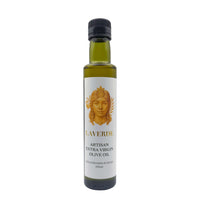
The Mediterranean Essentials bundle (£19 — EVOO 250ml and raw honey 200g, both from Caltanissetta) is the practical starting point for a UK cook who wants both elements of the Sicilian pantry in one order. The EVOO covers dressings, finishing, and low-heat cooking; the honey covers dressing sweeteners, glazes, cheese board finishing, and morning routine use. Together they provide the core of a Sicilian-inspired cooking approach without requiring separate sourcing decisions.
For a higher EVOO usage rate — if you also cook with the oil regularly at higher temperatures — the Sicilian Pantry bundle (£26 — EVOO 500ml and honey 200g) is the correct format: the 500ml covers six to eight weeks of daily cooking and finishing use, and the honey is sized for the same period at a typical daily teaspoon.
|
Bundle |
Contents |
Price |
Kitchen Use Logic |
|
Mediterranean Essentials |
EVOO 250ml + Honey 200g — both Caltanissetta |
£19.00 |
Dressings + finishing — the Sicilian kitchen pair · Save £2 |
|
Sicilian Pantry Bundle |
EVOO 500ml + Honey 200g — both Caltanissetta |
£26.00 |
Higher EVOO use — cooking + dressings + finishing · Save £3 |
|
Premium Pantry Bundle |
EVOO 250ml + 500ml + Honey 200g |
£37.00 |
Full kitchen — finishing oil + cooking oil + honey |
All formats include a 200g jar of raw Caltanissetta wildflower honey — the format sized for approximately six to eight weeks of regular kitchen use at a teaspoon or two per day. It crystallises naturally over time (a sign of genuine raw honey rather than processed), and can be reliquefied with gentle warmth — set the jar in warm water below 40°C rather than microwaving, to preserve its natural character.

Cooking Guide · When Honey Beats Sugar · Sicilian Kitchen
Where Raw Honey Replaces Sugar — And Where a Standard Sweetener Is Perfectly Fine
Raw artisan honey adds a flavour dimension that refined sugar cannot. Here is exactly which applications are worth using it in — and which are not.
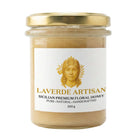
Mediterranean Essentials
EVOO 250ml + Honey 200g
Dressings + finishing — the Sicilian pair
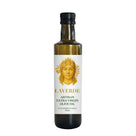
Sicilian Pantry Bundle
EVOO 500ml + Honey 200g
Full kitchen kit — cooking + dressing + finishing
Sugar to Honey Substitution Guide
|
Recipe Application |
Sugar Quantity |
Raw Honey Equivalent |
Adjustment Note |
|
Salad dressing |
1 tsp caster sugar |
¾ tsp raw honey |
Honey is sweeter — reduce by approx 25% |
|
Vinaigrette |
½ tsp sugar |
½ tsp honey (no reduction needed) |
Small quantity — 1:1 works fine in practice |
|
Meat or vegetable glaze |
2 tbsp brown sugar |
1½ tbsp honey |
Honey caramelises faster — watch temperature |
|
Yoghurt sweetener |
1 tsp sugar |
½–¾ tsp honey |
Sweetness is more complex — less needed |
|
Marinade base |
1 tbsp sugar |
1 tbsp honey (no reduction) |
Adds depth — 1:1 works well in savoury marinades |
|
Baking (simple cakes) |
200g sugar |
160–170g honey + reduce liquid by 3 tbsp |
Complex substitution — best for experienced bakers |
How Honey Works Across Different Cooking Contexts
|
Cooking Context |
Honey Role |
Temperature |
Caltanissetta Character at Work |
|
Cold dressing / vinaigrette |
Sweetness balancer for acid |
Not heated — full character preserved |
Floral complexity lifts the dressing beyond plain sugar |
|
Warm glaze (under 150°C) |
Caramelisation and colour |
Gentle heat — most aromatics preserved |
Natural sweetness with depth; glossy finish |
|
Hot roast glaze (over 180°C) |
Caramelisation only |
High heat — volatile aromatics largely lost |
Functions as refined sweetener; use cheaper honey here |
|
Cheese board drizzle |
Finishing sweetness — raw pour |
No heat — full character expressed |
Polyfloral complexity pairs with aged and fresh cheeses |
|
Yoghurt / breakfast bowl |
Natural sweetener — raw use |
No heat |
Seasonal character of spring harvest — floral, light |
|
Marinade (meat or fish) |
Sweetness, moisture retention, glaze base |
Used cold, then cooked |
Flavour contribution during marination; caramelised in cooking |
Frequently Asked Questions
Can you use raw honey instead of sugar in cooking?
Yes — raw honey works well as a sugar substitute in most cold and warm cooking applications, with a few practical adjustments. Honey is sweeter than sugar by volume, so you typically need about 25% less. It adds some liquid to a recipe, which is largely irrelevant in dressings and glazes but matters in baking. For dressings, vinaigrettes, glazes, and marinades, raw honey substitutes directly and adds a flavour dimension that refined sugar cannot. For baking, the substitution is more complex and works best in simple recipes.
Does cooking raw honey destroy its natural character?
Yes — heat above approximately 40°C begins to drive off the volatile aromatic compounds that give raw honey its complex character. At high cooking temperatures (roasting, high-heat glazing), honey functions similarly to a refined sweetener. For the full character of raw Caltanissetta honey — its floral notes, polyfloral complexity, seasonal variation — use it raw: in dressings, drizzled on yoghurt, on cheese boards, or added off heat as a finishing element.
What is the best honey to use for cooking in the UK?
For applications above 150°C — high-heat glazes, roasting — a standard wildflower honey is perfectly adequate, because the aromatic compounds are largely lost at those temperatures. For raw applications and gentle heat — dressings, warm glazes under 150°C, cheese boards, yoghurt — a raw artisan honey with genuine character adds a flavour dimension that commercial processed honey cannot replicate. LAVERDE's raw wildflower honey from Caltanissetta province has the polyfloral complexity that makes it particularly interesting for raw and gentle-heat cooking.
How much honey should I use to replace sugar in a salad dressing?
For a standard dressing using one teaspoon of sugar, use three-quarters of a teaspoon of honey — honey is sweeter by volume, so a small reduction is usually appropriate. In practice, start with a 1:1 substitution and adjust from there: the more acidic the dressing, the more honey it can carry without tasting overly sweet. Raw honey in a vinaigrette adds a floral depth that makes the dressing noticeably more interesting than the same recipe with plain sugar.
What Sicilian dishes traditionally use honey as a cooking ingredient?
Honey has a long tradition in Sicilian cooking, appearing in both sweet and savoury contexts. Aubergine agrodolce (sweet and sour), honey-glazed pork, and various traditional pastries all use honey in the Sicilian repertoire. As a finishing drizzle on ricotta, alongside soft cheese, or as the sweetness balance in a salad dressing — the applications are varied. The polyfloral character of Caltanissetta honey, drawn from Sulla clover, wildflowers, and citrus blossom, has the aromatic depth that these traditional preparations rely on.

from Sicily
✓Usually dispatched the next working day
The raw Sicilian honey referenced in this article — verified specs and provenance.
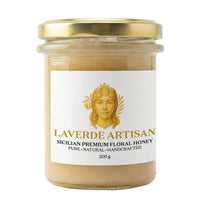
Raw Sicilian Honey 200g
White flowers, wild Mediterranean herbs, soft citrus blossom, light caramel nuances. Light amber, dense and silky.
Pairs with · pecorino and blue cheeses · Greek yoghurt · tea and herbal infusions · ricotta and warm toast · roasted vegetable glazes
Order Raw Sicilian Honey — £9 →★ 4.9 across 270+ Google Reviews · only UK direct importer we are aware of
Sulla Blossom Honey 200g
White flowers, fresh hay, chamomile, almond blossom, delicate vanilla nuances. Pale golden, smooth and creamy — a delicate balance for situations where multifloral would dominate.
Pairs with · fresh ricotta, burrata and goat cheese · chamomile and white tea · pear and white peach · warm scones and panettone · panna cotta and vanilla ice cream
Order Sulla Honey — £10 →★ 4.9 across 270+ Google Reviews · only UK direct importer we are aware of